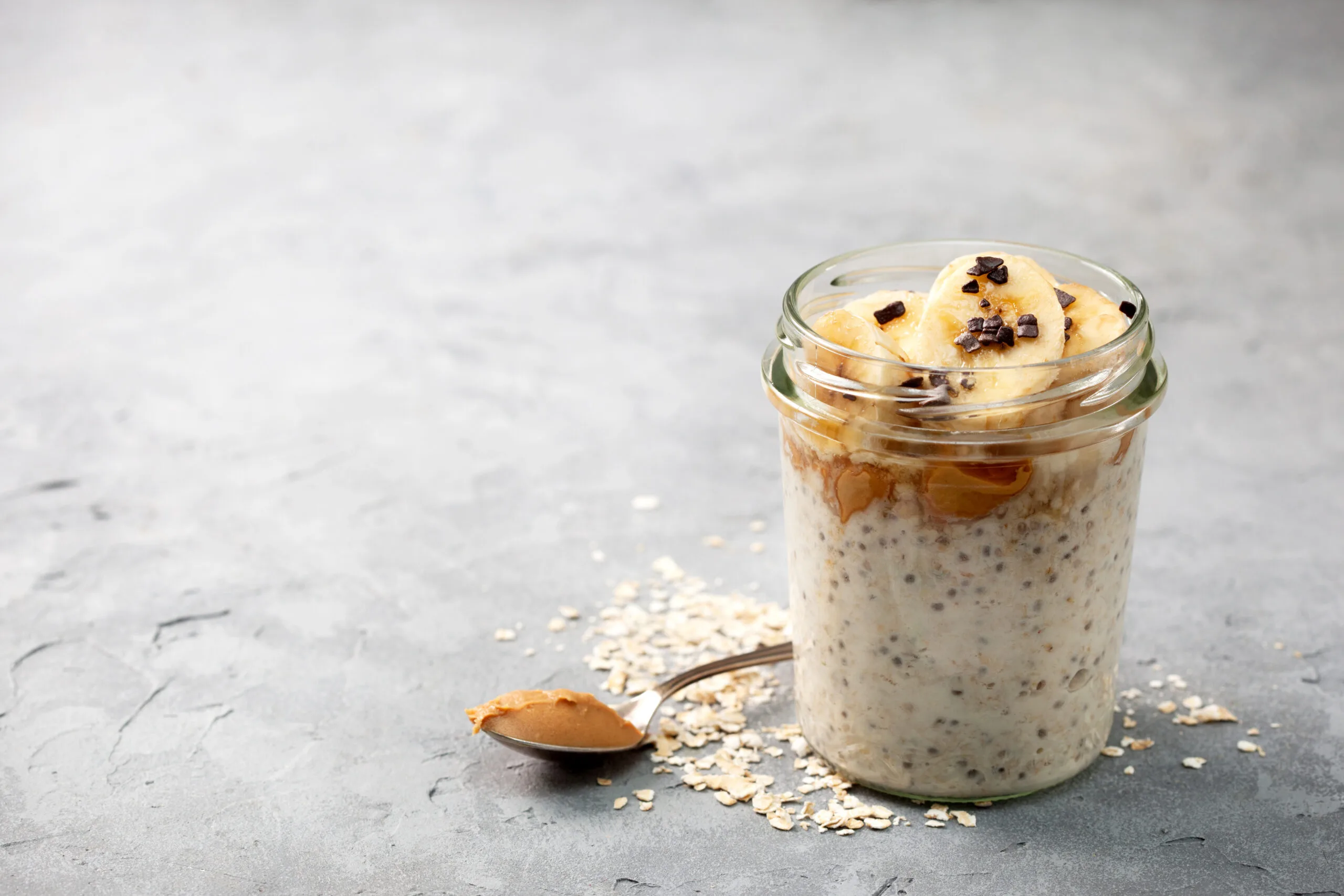
Walk into any grocery store, scroll through healthy eating TikTok, or open a recipe blog, and you’ll run into a popular breakfast item: overnight oats. What started as a DIY recipe has turned into prepackaged cups of ready-to-eat oats. The options keep multiplying—and so does the confusion about which ones are actually worth buying.
The idea comes from promoting a healthy start to your day. Oats are a healthy food to build a breakfast around because they’re filling, fiber-rich, and easy to eat on the go. But when you’re looking at branded items, the nutrition profiles across brands vary more than you’d expect. Words like “simple,” “whole food,” and “nutritious” can get used pretty loosely with marketing, and what do they really mean?
In this article, we look at some of the most popular overnight oats brands on the market right now: Mush, Brekki, Holos, Kodiak, Bob’s Red Mill, and Oats Overnight. We discuss the nutrition, ingredients, benefits, and drawbacks to see which overnight oats product may work best for you.
What are overnight oats?
Overnight oats are typically made with rolled oats soaked in liquid—usually milk or a plant-based alternative—for several hours, often overnight, until they soften into a thick, pudding-like texture. There’s no cooking involved so they are ready to eat in the morning.
Overnight oats took off as meal prep culture exploded on social media around 2015 to 2016. Photo-ready, colorful Mason jar recipes were shared across Pinterest and Instagram. By the early 2020s, prepackaged, ready-to-eat versions had made it onto mainstream grocery shelves. Now the category has its own refrigerated section at most major retailers, and brands are competing on protein counts, ingredient sourcing, and flavor variety rather than just convenience.

The Easy Way
to lose weight and get healthy.
See if you qualify
For people who want a more hands-on experience—or just prefer the lower price point—homemade overnight oats are still a popular route. But if convenience is the priority, the prepackaged options below may be worth exploring.
Read more: Are overnight oats good for weight loss?
Why are overnight oats such a good breakfast base?
Packaged overnight oats combine oats with other ingredients that can boost fiber, protein, and overall nutrition. While the exact recipe varies by brand, many include ingredients like milk powder, protein blends, nuts, seeds, or fruit. Together, these ingredients can create a filling breakfast that provides fiber, protein, and slow-digesting carbohydrates.
Fiber. Oats are one of the better sources of beta-glucan, a soluble fiber that forms a gel in your digestive tract and slows the absorption of sugar into your bloodstream. A study in the American Journal of Clinical Nutrition found that beta-glucan from oats was associated with improved satiety and more stable blood sugar levels after meals—meaning you’re less likely to feel a spike-and-crash in energy an hour later. Most pre-packaged overnight oats deliver 4 to 12 grams of fiber per serving, depending on the brand and any added seeds, like chia, which are particularly high in fiber.
Protein. Oats contain more protein than many common grains, with about 5 grams per ½ cup of dry oats, but the ingredients mixed in with them are often what give packaged overnight oats a protein boost. Depending on the brand, that might include milk, Greek yogurt, pea protein, whey protein, nuts, or seeds, all of which can significantly increase the total protein content. And how much protein you get at breakfast can matter for satiety, especially if you’re managing your weight or staying active. A review in Nutrients found that higher-protein breakfasts were linked to reduced hunger and lower calorie intake later in the day.
Slow-digesting carbohydrates. Oats are a source of complex carbs, which means they break down more slowly than refined grains, like a white bagel or something sweet like pancakes. That slower process can give you a steadier energy release and keep you fuller for longer.
Read more: Is oatmeal good for weight loss?
Overnight oats brands: How they compare
For this article, we looked at each brand’s nutrition panel across representative flavors—calories, protein, fiber, total sugar, and added sugar per serving. We also looked at ingredient lists to understand what’s driving the numbers. All data below is per single serving based on the official brand’s packaging.
Overnight oats have become a crowded, fragmented category, and the brands making them have almost nothing in common beyond the oats themselves. Some arrive fully soaked and refrigerated, ready the moment you pull off the lid. Others ship as dry pouches you mix with milk the night before. And one takes things a step further—a shelf-stable bottle you fill with water, shake, and drink the next morning.
Some brands get their protein from whole-grain oat breeding; others lean on whey concentrate, pea protein isolate, or sprouted brown rice. And some are sweetened purely with dates and fruit, while others use added cane sugar, coconut nectar, or a mix of maple sugar and monk fruit. What this means in practice: two products that both call themselves “overnight oats” can look completely different on a nutrition label, and ingredient lists vary enough that it’s always worth a closer read. Here’s how the most popular brands look: Mush, Brekki, Oats Overnight, HOLOS Kodiak, and Bob’s Red Mills.

See if your insurance
covers GLP-1s.
The form only takes 2 minutes to answer. We’ll handle the rest.
GET STARTEDReady-to-eat overnight oats
These products come pre-soaked and refrigerated—just peel off the lid and eat. No mixing, no waiting. Because the oats are already soaked in liquid, ingredients like plant-based milk and any fruit or flavorings are already in the cup.
| Brand | Typical ingredients | Calories (range) | Protein (range) | Fiber (range) | Notable flavors |
|---|---|---|---|---|---|
| MUSH | Rolled oats, plant-based milk (almond, coconut, or oat milk), dates or fruit, sea salt | 210–220 cal | 5–6g | 5–6g | Blueberry, Vanilla Bean, Apple Cinnamon, Strawberry, Coffee, Chocolate, Banana Bread |
| MUSH Protein | Rolled oats, oat milk, peanuts, dates, sea salt; pea protein added | 290–300 cal | 15g | 7g | Chocolate Peanut Butter, Peanut Butter, Peanut Butter Chocolate Chip, Mocha Latte, Cookies & Cream, French Vanilla |
| Brekki | Almond milk, rolled oats, buckwheat groats, coconut nectar, almonds, chia seeds, flax seeds, rowanberry extract, sea salt | 200–230 cal | 6–8g | 3–6g | Original, Vanilla Cinnamon, Dark Chocolate, Cold Brew Coffee, Blueberry, Strawberry, Apples & Cinnamon, Bananas & Maple Sugar |
MUSH soaks its oats overnight in plant-based milk and sells them in single-serve refrigerated cups, ready to eat cold. The standard line uses dates and fruit juice concentrate for sweetness with no added sugar in most flavors, though the FDA does classify some fruit juice concentrate as added sugar. Flavors run around 210–220 calories with 5–6g protein and 5–6g fiber.
MUSH Protein uses the same ready-to-eat cup format but adds pea protein to hit 15g per serving. The line skews toward nut-based flavors—Chocolate Peanut Butter, Peanut Butter, and Peanut Butter Chocolate Chip—with peanuts appearing as a primary ingredient alongside oats, oat milk, dates, and sea salt. Calories step up to 290–300 per cup and fiber climbs to around 7g.
Brekki differentiates itself with a multi-grain base that includes buckwheat groats alongside rolled oats, plus almonds, chia, and flax—all pre-soaked in almond milk. A notable ingredient across their line is rowanberry extract, used as a natural preservative. The Original flavor has 0g added sugar; fruit flavors add 8–11g via coconut nectar and cane sugar. The buckwheat base gives Brekki a slightly earthier, denser texture than MUSH’s smoother cups.
Add milk overnight oat pouches
These ship as dry pouches. You pour the contents into a jar or the included container, add your milk of choice, stir or shake, and refrigerate overnight. The big variable across this segment is how each brand sources its protein—and that difference shapes both the ingredient list and the protein count significantly.
| Brand | Typical ingredients | Calories (range) | Protein (range) | Fiber (range) | Notable flavors |
|---|---|---|---|---|---|
| Oats Overnight | Whole grain rolled oats, whey or pea protein isolate, chia seeds, flaxseed, oat milk powder, maple sugar, monk fruit | 240–300 cal | 20g | 7–9g | Strawberries & Cream, Cookies & Cream, Cinnamon Roll, Chocolate Chip Cookie Dough, French Toast, Blueberry Cobbler, Maple Pancakes, Green Apple Cinnamon (20+ total) |
| Kodiak | Whole grain rolled oats, pea protein concentrate, milk protein concentrate, date powder, quinoa, chia seeds, flaxseed, milk protein isolate, sea salt | 270–280 cal | 20g | 5g | Maple Pecan, Dark Chocolate Sea Salt, Cookie Butter, Peach |
| Bob’s Red Mill | Whole grain oat blend, sugar, chia seeds, nonfat milk powder, natural flavors, sea salt | 250 cal | 10g | 6g | Chocolate Hazelnut, Blueberries & Cream, Vanilla Almond |
| HOLOS | Rolled oats, sprouted brown rice protein, chia seeds, sunflower seeds, pumpkin seeds, maple sugar, Himalayan pink salt, guar gum, maca powder, probiotics (Bacillus coagulans) | 370–380 cal | 20g | 10–12g | Vanilla, Cocoa, Mocha, Chai, Matcha + Raspberry, Peaches, Maple + Almonds, Apple + Cinnamon, Banana + Cranberries |
Oats Overnight is the category pioneer in this format, and it shows in the flavor lineup—over 20 options ranging from dessert-inspired (Cookies & Cream, Cinnamon Roll, French Toast) to more classic profiles (Blueberry Cobbler, Green Apple Cinnamon). Protein comes from whey or pea protein, depending on the flavor, and the brand uses maple sugar, date powder, and monk fruit to sweeten, keeping added sugar low. Can be eaten as standard overnight oats or thinned out and drunk from a shaker bottle.
Kodiak entered the overnight oats space in January 2026, leaning on its established reputation in protein-forward breakfast products. The formula uses both pea and milk protein concentrates to hit 20g, alongside whole grain oats, quinoa, chia, and flax. Maple Pecan comes in at 280 calories; Dark Chocolate Sea Salt at 270 calories. Not gluten-free certified due to shared equipment with wheat, and contains milk.
Bob’s Red Mill takes a distinctly different approach: its Overnight Protein Oats use a special conventionally bred hull-less oat variety that’s naturally higher in protein—no added protein powders at all. Both the Chocolate Hazelnut and Blueberries & Cream flavors come in at 250 calories, 10g protein, and 6g fiber per 60g packet, with 6g added sugar. The tradeoff is a lower protein count (10g vs. the 20g competitors offer), but the protein story is cleaner—it comes entirely from the oats themselves. Contains dairy; Chocolate Hazelnut also contains tree nuts and soy.
HOLOS is the most supplement-forward option in the segment. Beyond oats and sprouted brown rice protein, each pouch contains sunflower seeds, pumpkin seeds, probiotics (Bacillus coagulans), maca powder, and 13 vitamins and minerals, with ingredients varying by flavor. It’s also the highest-calorie option at 370–380 calories, but delivers the most fiber (10–12g) and is the only certified organic, vegan option in this group. Sold primarily direct-to-consumer via subscription.
Ready-to-drink overnight oat shakes
This format takes convenience one step further: the dry mix comes pre-loaded in a single-serve bottle. You fill it with water (or milk), cap it, shake, refrigerate overnight, and drink it straight from the bottle in the morning—no bowl, no spoon, no jar.
| Brand | Typical ingredients | Calories (range) | Protein (range) | Fiber (range) | Notable flavors |
|---|---|---|---|---|---|
| Oats Overnight | Whole grain rolled oats, pea protein isolate, oat milk powder (oat flour, natural flavor, guar gum), chia seeds, flaxseed, hemp hearts, maple sugar, monk fruit | ~250 cal | 15g | 6–7g | Maple Brown Sugar, Strawberries & Cream, Blueberry, Cookies & Cream |
Oats Overnight also offers their oats in a pre-loaded shaker bottle, sold individually or in multipacks at Walmart and other retailers. The format is identical to their pouch line in spirit, but reformulated for water activation—powdered oat milk is built into the mix, so you just fill to the marked line with water, refrigerate, and shake before drinking. Protein drops slightly from the pouch version (15g vs. 20g) and uses pea protein isolate across the board, making all bottle flavors plant-based by default. Sweetened with maple sugar, molasses, and monk fruit, with no artificial colors or flavors. The bottle format has a narrower flavor selection than the pouch lineup and is best suited for true on-the-go mornings where a spoon isn’t an option.
FAQ about overnight oat reviews
Which overnight oats brand has the most protein?
HOLOS and Oats Overnight’s direct-to-consumer pouch line both deliver 20 grams of protein per serving, making them the standouts in this comparison. Kodiak also hits 20 grams in their new pouch format, which launched in early 2026. The Oats Overnight shaker bottles sold at Walmart come in at 15 grams. MUSH’s Protein line also reaches 15 grams, while standard MUSH and Brekki cups land at 5 to 8 grams. Bob’s Red Mill sits at 10 grams—lower than the protein-powder-based options, but notable because that protein comes entirely from the oat itself with no added powders.
Are overnight oats high in sugar?
It varies significantly by brand and flavor. MUSH uses no added sugar—sweetness comes entirely from dates and fruit. HOLOS and Oats Overnight are both low in added sugar despite their sweet flavor profiles, relying on maple sugar, dates, and monk fruit instead. Brekki uses organic coconut nectar, adding 6–11 grams of added sugar per cup depending on the flavor, with fruit flavors running higher. Bob’s Red Mill adds about 6 grams per packet. For reference, the American Heart Association recommends no more than 25 to 36 grams of added sugar per day for adults.
What’s the difference between Mush and Brekki?
Both are pre-soaked, ready-to-eat refrigerated cups in a similar calorie range. MUSH uses a simpler ingredients list, and zero added sugar in most flavors; Brekki has a more complex grain and seed blend—buckwheat groats, chia, flaxseed—with slightly higher fat and a nuttier, chewier texture. Brekki also adds some sugar via coconut nectar, which MUSH avoids. If you want the cleanest label, MUSH wins; if you want more textural variety and grain diversity, Brekki has the edge.
Is Oats Overnight good for you?
MUSH and Brekki are the most widely available in refrigerated sections at Whole Foods, Sprouts, Kroger, and similar retailers. Kodiak’s overnight oat pouches launched at Walmart, Target, and Kroger in early 2026, making them the most accessible of the add-milk options at mass retail. Bob’s Red Mill is broadly distributed through natural and grocery channels. Oats Overnight and HOLOS are primarily sold direct-to-consumer online, though Oats Overnight’s shaker bottles have Walmart distribution.
Can I eat overnight oats while trying to lose weight?
Yes—overnight oats can fit well into a weight management plan, particularly options that are higher in protein and fiber. Both nutrients slow digestion and help you stay fuller longer, which can reduce how much you eat later in the day. In practical terms, a serving with 20 grams of protein and 7 or more grams of fiber—like HOLOS or Oats Overnight—is going to hold you differently than a 200-calorie cup with 5 grams of protein. Calories still matter, so it’s worth knowing that HOLOS runs 370–380 calories per serving before milk, which is higher than most options here. The best pick is the one you’ll actually eat consistently.
Read more: People are drinking “Oatzempic” for weight loss: Does it work?
See if your insurance
covers GLP-1s.
The form only takes 2 minutes to answer. We’ll handle the rest.
GET STARTEDThe bottom line: Overnight oats are a healthy way to start your day
All overnight oat brands start from the same solid foundation—oats—yet each one takes a different direction from there. MUSH keeps it simple: short ingredients list, zero added sugar, grab-and-go. Brekki adds texture and a more diverse seed and grain profile. HOLOS pushes protein and fiber to levels that make it a legitimately complete meal, with organic sourcing to match. Oats Overnight makes the high-protein format approachable with flavors that feel like a reward rather than an obligation, available as both a mix-and-refrigerate pouch and a shake bottle for the most portable mornings. Kodiak brings the same high-protein ambition to a format you can find at Walmart and Target. And Bob’s Red Mill does something none of the others do—gets its protein entirely from the oat itself, no powder required.
The one that’s “best” for you depends entirely on what you’re optimizing for at breakfast, and that can shift day to day. On a rest day or a lighter morning, a standard MUSH or Brekki cup at 200–220 calories with modest protein makes sense—you don’t always need 20 grams of protein before 8 am. On a training day or a morning where lunch is uncertain, the higher-protein options (HOLOS, Oats Overnight, Kodiak) give you more to work with, and the fiber difference matters too—5g keeps you going for a while, but 10 to 12g is a different level of staying power. If added sugar is a concern, the gap between brands is real: some flavors have 0g, others push past 10g, and that’s worth a label check regardless of which brand you’re buying.
If you’re thinking about how breakfast fits into a bigger plan for eating well, Noom can help. Explore the Noom app on iOS & Android to learn about building a balanced diet that works for your body and lifestyle.
Access GLP-1 Weight Loss with Noom
Explore a wide range of prescription medications supported by Noom’s program.Microdose GLP-1rx
Noom GLP-1rx
Noom GLP-1rx Plus
Wegovy®
Ozempic®

Metformin
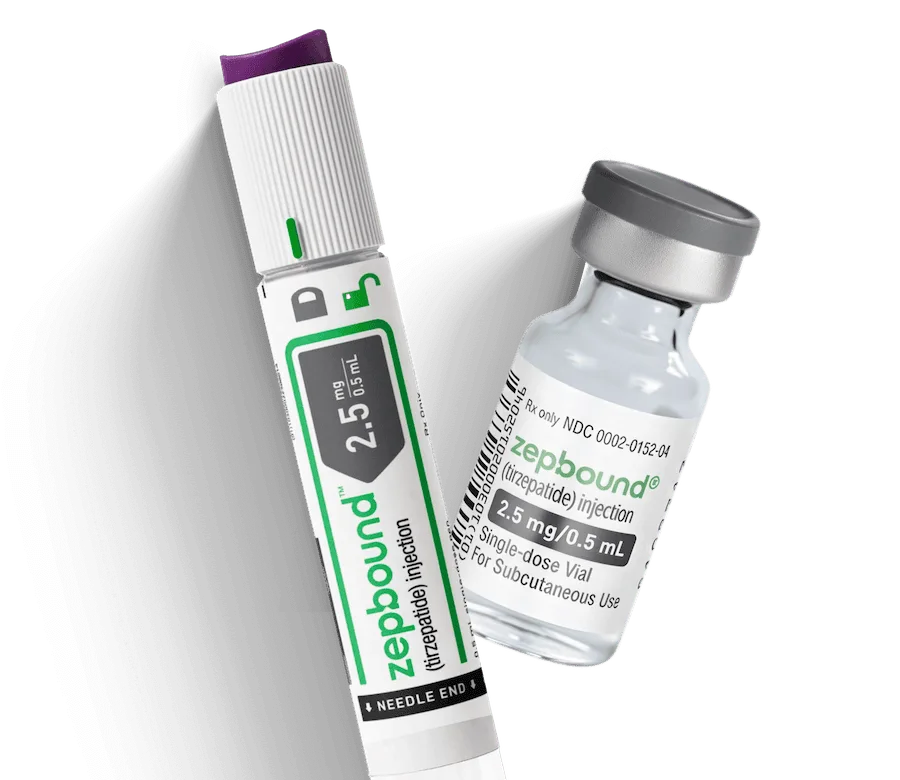
Zepbound®
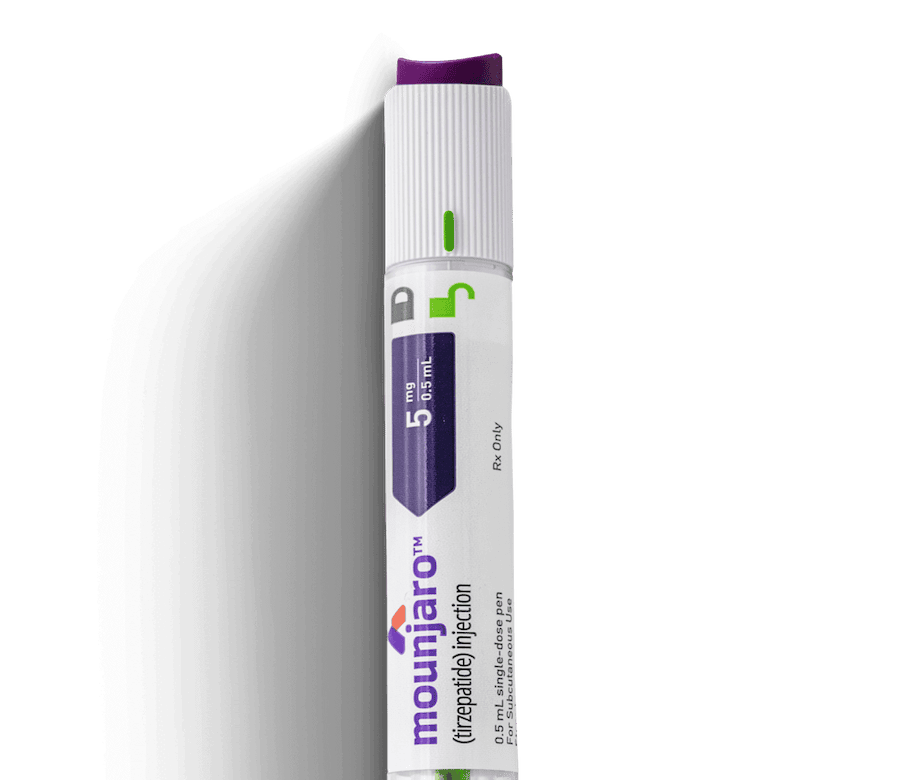
Mounjaro®
Liraglutide
Editorial standards
At Noom, we’re committed to providing health information that’s grounded in reliable science and expert review. Our content is created with the support of qualified professionals and based on well-established research from trusted medical and scientific organizations. Learn more about the experts behind our content on our Health Expert Team page.