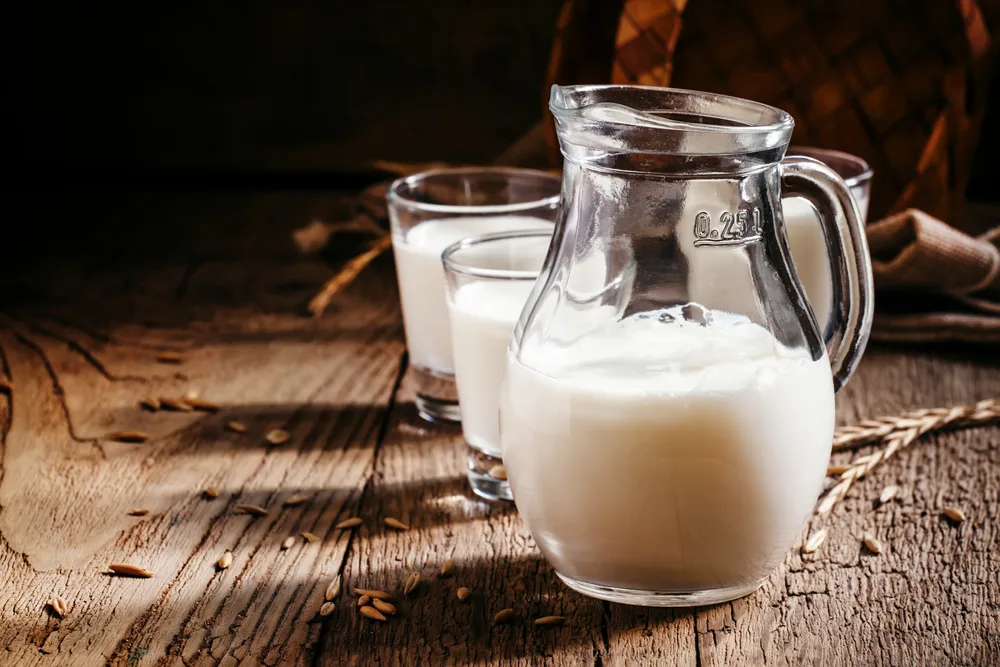
Peppermint tea has earned a well-deserved reputation as a soothing herbal drink that many people use to aid digestion, but can it help with weight loss? The answer is a little more nuanced than a simple yes or no.
While peppermint tea won’t directly cause weight loss, it may support some of the habits that make weight management easier. For one, it’s naturally calorie-free, making it a smart alternative to sugary drinks. Some research also suggests peppermint may help reduce feelings of hunger, while its effects on the digestive tract may ease bloating and post-meal discomfort.
The real appeal of peppermint tea is that it can fit naturally into healthy routines. A warm, flavorful cup can help you stay hydrated, create a mindful pause between meals, or serve as a lower-calorie alternative to sugary beverages. Those small choices can add up over time.
It’s also important to keep expectations realistic. Most studies showing the strongest benefits have used concentrated peppermint oil rather than brewed tea. So while peppermint tea doesn’t cause weight loss, it may be a simple, enjoyable addition to a broader plan built around nutrition, movement, sleep, and other sustainable habits.
✅ Quick answer
Peppermint tea may support weight loss indirectly, but it isn’t a weight-loss treatment. At about 2 calories per cup without added sweeteners, it can be a low-calorie alternative to higher-calorie drinks. Some research suggests peppermint may help reduce appetite, while its digestive benefits may ease bloating and post-meal discomfort. The biggest advantage is that peppermint tea can make healthy habits—like staying hydrated, replacing sugary beverages, and creating mindful eating routines—easier to maintain over time.

The Easy Way
to lose weight and get healthy.
See if you qualify
🚀 Weight-loss benefits
- Peppermint tea is essentially calorie-free – A plain brewed cup of peppermint tea has about 2 calories. Multiple cups throughout the day won’t meaningfully affect your calorie intake, and replacing higher-calorie drinks like juice, soda, or sweetened coffee beverages with peppermint tea can help reduce overall calorie consumption.
- Peppermint tea may help reduce appetite – Some research suggests that the aroma of peppermint may help reduce feelings of hunger and lower calorie intake. In one small study, participants exposed to peppermint scent consumed fewer calories, fat, and added sugars than they did on days without it.
- Peppermint tea supports digestion and may reduce bloating – Peppermint’s menthol relaxes the smooth muscles of the digestive tract and may help ease gas, bloating, and stomach discomfort.
⚠️ Things to be mindful of
- Peppermint tea hasn’t been studied as extensively as peppermint oil. Much of the research on appetite, digestion, and IBS symptoms has focused on concentrated peppermint oil or peppermint aroma rather than brewed tea. Peppermint tea still contains many of the same compounds, but its effects are likely to be milder.
- Peppermint tea may not be a good fit if you experience heartburn or acid reflux. Peppermint can relax the muscle that helps keep stomach acid from moving back into the esophagus, which may worsen symptoms for some people with GERD or frequent heartburn. If you notice discomfort after drinking it, another herbal tea may be a better choice.
- Peppermint tea is naturally very low in calories, but additions can change that. Plain peppermint tea contains virtually no calories. Sweeteners, flavored syrups, sugar, honey, or cream can increase the calorie content, so it’s worth paying attention to what goes into the cup if you’re using it as a lower-calorie beverage swap.
🥗 Nutrients in peppermint tea (per 1 cup / 240 ml, brewed plain)
| Nutrient | Amount | % RDA* |
|---|---|---|
| Calories | 2 calories | <1% |
| Protein | 0 g | 0% |
| Total carbs | 0.4 g | <1% |
| Fiber | 0 g | 0% |
| Sugars | 0.1 g | — |
| Total fat | 0 g | 0% |
*Recommended dietary allowance (RDA) is defined as the average daily amount of nutrients needed to meet the requirements of nearly all healthy people in a specific group.
From a nutrition standpoint, peppermint tea contributes very few calories, carbohydrates, fat, or protein. While that may not sound impressive, it’s part of what makes peppermint tea an easy addition to a weight-management plan. It can add flavor, warmth, and variety to your day without meaningfully affecting your calorie intake.
What peppermint tea does provide are naturally occurring plant compounds, including menthol, menthone, rosmarinic acid, eriocitrin, and luteolin. These compounds are thought to contribute to peppermint’s digestive effects, antioxidant activity, and characteristic cooling flavor and aroma.
Whether you drink one cup or several throughout the day, the calorie impact is minimal. In many cases, the biggest nutritional benefit comes from using peppermint tea in place of higher-calorie beverages such as soda, juice, sweetened coffee drinks, or specialty teas.
💊 Vitamins & minerals in peppermint tea (per 1 cup / 240 ml, brewed plain)
| Vitamin/Mineral | Amount | % RDA* |
|---|---|---|
| Potassium | 10 mg | <1% |
| Calcium | 3 mg | <1% |
| Magnesium | 2 mg | <1% |
| Iron | 0.1 mg | <1% |
| Folate | 2 µg | <1% |
Peppermint tea isn’t a meaningful source of vitamins or minerals. The amounts of potassium, calcium, magnesium, iron, and folate in a typical cup are too small to contribute significantly to your daily nutrient needs.
What peppermint tea contains are naturally occurring plant compounds such as menthol, rosmarinic acid, and flavonoids. Researchers have studied these compounds for their antioxidant and other biological activities, and they may contribute to some of peppermint tea’s digestive and sensory benefits.
In other words, people generally drink peppermint tea for its flavor, aroma, and potential digestive effects—not because it’s a significant source of nutrients. The fact that it provides those benefits with virtually no calories is part of what makes it an appealing beverage choice.
🔍 Nutrient breakdown
Glycemic index (GI) of peppermint tea
Glycemic index: 0 (Negligible)
💡 Tip: Peppermint tea brewed plain has essentially no glycemic impact — no meaningful sugar or starch to trigger a blood glucose response.
Is peppermint tea high in protein?
❌ No – 0 g of protein per cup.
The Easy Way
to lose weight and get healthy.
See if you qualifyIs peppermint tea high in fiber?
❌ No – 0 g of fiber per cup.
Is peppermint tea low in carbs?
✔️ Yes – at roughly 0.4 g of carbs per cup, peppermint tea is low-carb.
Is peppermint tea gluten-free?
✔️ Yes – it’s simply dried peppermint leaves steeped in water. Check the ingredient list on packaged blends to make sure no barley, wheat, or malt-based ingredients have been added.
Is peppermint tea good for fat loss?
✔️ Yes (indirectly) – Peppermint tea may support fat loss by helping you maintain habits that promote a calorie deficit. It’s virtually calorie-free, may help reduce feelings of hunger, and can ease bloating and digestive discomfort for some people. While peppermint tea doesn’t directly increase fat burning, it can be a useful addition to an overall weight-management plan.
🍽️ Diet compatibility: Which diets include peppermint tea?
| Diet | ✅/❌ | Why |
|---|---|---|
| Keto | ✅ | Zero net carbs and no blood sugar impact. |
| Paleo | ✅ | Herbal teas made from whole plants are Paleo-friendly. |
| Mediterranean | ✅ | Herbal teas are a common part of Mediterranean food culture and fit the diet’s emphasis on whole plant foods and minimal processing. |
| Vegan | ✅ | 100% plant-based with no animal-derived ingredients. Skip dairy-based add-ins like milk or cream. |
| Gluten-free | ✅ | Naturally gluten-free. Verify blended varieties for added ingredients if you have celiac disease. |
Peppermint tea fits into just about any eating pattern. And when you’re trying to make changes, having a warm, flavorful drink you can enjoy anytime can make healthy choices feel a little easier and more sustainable.
🌟 Is peppermint tea healthy? What are the health benefits?
Metabolic health: Is peppermint tea good for your metabolism?
- Boosts metabolism? ❌ Not directly – Peppermint tea is naturally caffeine-free, so it doesn’t provide the temporary metabolic boost associated with caffeine-containing beverages like coffee or green tea. Its potential benefits are more indirect, such as helping with hydration and serving as a low-calorie alternative to sugary drinks.
- Improves insulin sensitivity? Neutral – There isn’t much research showing that peppermint tea directly improves insulin sensitivity in humans. But because it’s virtually calorie-free and contains almost no carbohydrates, it can fit easily into eating patterns designed to support healthy blood sugar levels.
- Effect on fat storage? Neutral – Peppermint tea has not been shown to directly affect fat storage or fat-burning pathways. Its role in weight management is more likely related to supporting healthy habits, such as replacing higher-calorie beverages and helping some people feel more comfortable between meals.
Cholesterol impact: Does peppermint tea affect cholesterol levels?
- Does it lower LDL (bad) cholesterol? ❌ Unclear for brewed tea – There’s no solid human clinical evidence showing brewed peppermint tea meaningfully lowers LDL.
- Does it raise HDL (good) cholesterol? ❌ Data too limited – No strong human trial evidence for HDL improvement from peppermint tea specifically.
- Overall impact on heart health? Modestly positive, indirectly – Peppermint tea contains antioxidant compounds that have been studied for their ability to help protect cells from oxidative stress. While peppermint tea hasn’t been shown to directly improve cardiovascular outcomes, using it in place of sugar-sweetened beverages may support heart health as part of an overall healthy diet.
💡 Tip: If heart health is your primary goal, black tea and green tea have been studied more extensively in humans and have stronger evidence for cardiovascular benefits. Peppermint tea can still be a healthy addition to your routine, but it’s typically valued more for its flavor and digestive benefits than its effects on heart health.
Can I drink peppermint tea in a calorie deficit?
✔️ Yes, with confidence – At roughly 2 calories per cup plain, it adds virtually nothing to your daily total while giving you something warm, flavorful, and satisfying to drink throughout the day. That satisfaction can make sticking to a deficit significantly more comfortable, especially in the evenings.
💡 Tip: Brew a large pot and refrigerate it for iced peppermint tea—a zero-calorie swap for sweetened iced tea or lemonade.
Is peppermint tea rich in antioxidants?
✔️ Yes – Peppermint tea contains meaningful antioxidant compounds, particularly rosmarinic acid, eriocitrin, and luteolin. Steep for at least 5 to 7 minutes to maximize polyphenol extraction from the leaves.
Does peppermint tea support gut health?
✔️ Yes – Peppermint tea may support digestive health by helping relax the smooth muscles of the gastrointestinal tract. Research on peppermint oil suggests it can help reduce cramping, gas, bloating, and IBS-related discomfort, although the effects of brewed tea are likely to be milder.
Does peppermint tea support digestion?
✔️ Yes – Drinking peppermint tea after a meal may help food move through your system more comfortably by relaxing digestive muscle contractions and reducing bloating and post-meal discomfort.
Does peppermint tea help you feel satiated and less hungry?
Low to Moderate – Peppermint tea won’t fill you up the way protein or fiber would, but it may lower appetite through a combination of warmth, hydration, and the effect of menthol’s aroma.
Satiety level: Low to Moderate
💡 Tip: Keep peppermint tea bags at your desk or in your kitchen for a soothing mid-afternoon beverage without caffeine.
Does peppermint tea help with nighttime cravings?
✔️ Yes – For some people, a cup of peppermint tea can be a satisfying way to wind down in the evening. Its warm temperature and refreshing mint flavor may help reduce the appeal of late-night grazing or reaching for dessert out of habit rather than enjoyment.
💡 Tip: A cup of peppermint tea can be a calming addition to an evening routine. Pairing it with activities like reading, stretching, or a warm bath may help create a relaxing transition into the rest of your night.
Does peppermint help reduce inflammation?
✔️ Yes (modestly) – Rosmarinic acid and flavonoids in peppermint tea have demonstrated anti-inflammatory properties in laboratory and animal research. Human clinical data on brewed peppermint tea specifically for inflammation are still limited.
Is peppermint tea beneficial for brain health?
✔️ Possibly – Some research suggests that the aroma of peppermint may improve alertness, memory, and cognitive performance. A few studies found that exposure to peppermint scent improved scores on tasks measuring sustained attention and working memory—though most of this research uses scent rather than tea.
Can peppermint tea improve skin and hair health?
❌ Minimal evidence for brewed tea – There’s no strong evidence that drinking peppermint tea has direct benefits for skin or hair.
Can peppermint tea help balance hormones?
✔️ Not enough evidence – There isn’t strong evidence that peppermint tea meaningfully affects hormone levels in most people. Some small studies on mint teas—particularly spearmint tea—have suggested potential effects on androgen levels, which has generated interest in conditions such as PCOS. More research is needed, and peppermint tea shouldn’t be considered a hormone-balancing treatment.
Access GLP-1 Weight Loss with Noom
Explore a wide range of prescription medications supported by Noom’s program.Microdose GLP-1rx
Noom GLP-1rx
Noom GLP-1rx Plus
Wegovy®
Ozempic®

Metformin
Zepbound®
Mounjaro®
Liraglutide
💡 Tip: If you’re concerned about hormone health, it’s best to work with a healthcare provider to identify the underlying cause. Peppermint tea can be a pleasant addition to a healthy routine, but it isn’t a substitute for evidence-based medical care or treatment.
🍽️ Best ways to drink peppermint tea for weight loss
- Before meals – Some people enjoy drinking peppermint tea before a meal because a warm beverage can feel satisfying and help promote mindful eating. While there isn’t strong evidence that peppermint tea significantly reduces appetite, its aroma and flavor may make it a pleasant pre-meal ritual.
- As a post-meal digestive – A cup after eating may help ease bloating, gas, and digestive discomfort. Peppermint’s relaxing effect on the digestive tract is one of its most studied benefits, although the strongest evidence comes from research on concentrated peppermint oil rather than brewed tea.
- As part of an evening routine – Peppermint tea can be a comforting, low-calorie beverage to enjoy after dinner. Its warm temperature and refreshing mint flavor make it a popular alternative to sweetened drinks or desserts, and many people find it a relaxing way to wind down before bed.
Try these peppermint tea recipes:
- Peppermint Cold Brew Tea – The Gilded Teapot
- Peppermint Tea Mocktail – The Mindful Cocktail
- Peppermint Tea Latte – Cook Up Love
🍏 Best alternatives & comparisons (per 1 cup / 240 ml, brewed plain)
| Beverage | Calories | Carbs | Fiber | Protein | Fat |
|---|---|---|---|---|---|
| Peppermint tea | 2 | 0.4 g | 0 g | 0 g | 0 g |
| Green tea | 2 | 0.5 g | 0 g | 0 g | 0 g |
| Chamomile tea | 2 | 0.5 g | 0 g | 0 g | 0 g |
| Ginger tea | 5 | 1.3 g | 0 g | 0 g | 0 g |
| Black tea (unsweetened) | 2 | 0.5 g | 0 g | 0 g | 0 g |
| Hibiscus tea | 37 | 9 g | 0 g | 0 g | 0 g |
| Sweetened peppermint tea | 90–150 | 22–38 g | 0 g | 0 g | 0 g |
From a calorie standpoint, most unsweetened teas and herbal teas are remarkably similar. The biggest differences come down to flavor, caffeine content, and the areas where they’ve been most commonly studied. For example, green and black tea contain caffeine, chamomile is often used as part of a bedtime routine, and peppermint and ginger are popular choices for digestive comfort.
Peppermint tea’s main appeal is its refreshing flavor, lack of caffeine, and potential digestive benefits. While some research has explored topics like appetite, digestion, and cardiovascular health across different teas, no single tea is a shortcut to weight loss or better health.
The biggest nutritional difference isn’t usually the type of tea—it’s what gets added to it. Plain peppermint tea contains about 2 calories per cup, while sweetened versions can contain dozens or even hundreds of calories. If weight management is your goal, choosing unsweetened tea is likely to have a much bigger impact than choosing one variety over another.
❓ Frequently asked questions about peppermint tea and weight loss
Does peppermint tea help you lose belly fat?
Peppermint tea doesn’t directly target belly fat — no beverage does. What it can do is help reduce bloating that makes your midsection feel larger than it is, ease digestive discomfort, and replace higher-calorie drinks. As part of a calorie-conscious eating plan, it’s a helpful tool — not a targeted fat-loss treatment.
How many cups of peppermint tea should I drink per day for weight loss?
There’s no established amount of peppermint tea that’s been shown to promote weight loss. Many people enjoy 1–3 cups per day as part of their routine. Because peppermint tea is naturally caffeine-free, it can be enjoyed any time of day, including in the evening. The most important factor isn’t how many cups you drink—it’s how peppermint tea fits into your overall eating and drinking habits.
Is peppermint tea better for weight loss than green tea?
They offer different benefits. Green tea contains caffeine and plant compounds that have been studied for their potential effects on metabolism and weight management, while peppermint tea is caffeine-free and is more commonly used for digestive comfort. Neither tea is likely to produce meaningful weight loss on its own, but both can be part of a healthy routine.
Can I add honey or milk to peppermint tea and still lose weight?
If you enjoy additions like honey or milk, there’s no need to avoid them entirely—just keep in mind that they add calories. If weight management is your goal, it may be helpful to pay attention to portions, especially if you drink several cups throughout the day.
Does peppermint tea reduce bloating?
It may help. Peppermint’s menthol relaxes the muscles of the digestive tract, which may help ease gas, cramping, and bloating. Research on concentrated peppermint oil has found benefits for IBS-related symptoms, including bloating. Peppermint tea contains many of the same compounds, although its effects are likely to be milder than those seen with peppermint oil supplements.
Is peppermint tea safe to drink every day?
Yes, for most people. Drinking peppermint tea daily is generally considered safe. However, peppermint may worsen symptoms in some people with acid reflux or GERD. If you have a medical condition, take medications, or have concerns about adding peppermint tea to your routine, check with your healthcare provider.
When is the best time to drink peppermint tea for weight loss?
There’s no single “best” time to drink peppermint tea for weight loss. Many people enjoy it before meals, after meals, or in the evening because it’s caffeine-free and easy to incorporate into a routine. The benefits are likely to come from replacing higher-calorie beverages and supporting sustainable habits rather than the timing itself.
🧠 The bottom line: Peppermint tea is nearly calorie-free and can be part of a healthy weight-management plan
Peppermint tea won’t directly cause weight loss, but it may support some of the habits that make weight management easier. It’s naturally very low in calories, can replace higher-calorie beverages, and may help ease bloating and digestive discomfort.
The strongest evidence behind peppermint is its digestive benefits. Research suggests peppermint can help relieve bloating, stomach discomfort, and IBS-related symptoms. Some studies have also explored whether peppermint aroma may influence appetite, but more research is needed to understand its effects.
Think of peppermint tea as a supportive habit rather than a weight-loss tool. A cup before or after meals can be a pleasant part of your routine, and because it’s caffeine-free, it can be enjoyed throughout the day.
When it comes to sustainable weight loss, small habits add up. If peppermint tea helps you stay hydrated, enjoy a flavorful beverage without added calories, or replace sugary drinks, it may be a worthwhile addition to your routine.
📖 Scientific evidence
- Peppermint scent was associated with reduced calorie intake and lower hunger ratings. (Appetite, 2008) In a small study, participants exposed to peppermint scent consumed fewer calories and reported feeling less hungry than they did without it. The study used direct inhalation of peppermint aroma—not peppermint tea—and was not designed to evaluate long-term weight loss.
- eppermint oil significantly outperformed placebo for IBS symptoms in a large meta-analysis. (Alimentary Pharmacology & Therapeutics, 2022) Researchers found that peppermint oil was more effective than placebo for relieving IBS symptoms and abdominal pain. Because the analysis focused on concentrated peppermint oil supplements rather than brewed tea, the results cannot be directly applied to peppermint tea, although they support peppermint’s role in digestive comfort.
- Rosmarinic acid—one of peppermint’s key plant compounds—has been studied for its anti-inflammatory properties. (Frontiers in Pharmacology, 2020) A review found that rosmarinic acid may help regulate several inflammatory pathways. Much of the evidence comes from laboratory, animal, and extract-based research, so more human studies are needed to understand what these findings mean for peppermint tea consumption.
- Peppermint tea contains polyphenols such as rosmarinic acid, eriocitrin, and luteolin that contribute to its antioxidant activity. (International Journal of Molecular Sciences, 2025) Researchers found that peppermint tea contained measurable amounts of several antioxidant compounds, although its overall antioxidant capacity was lower than that of green tea. The presence of these compounds helps explain why peppermint tea is often studied for its potential health effects.
Editorial standards
At Noom, we’re committed to providing health information that’s grounded in reliable science and expert review. Our content is created with the support of qualified professionals and based on well-established research from trusted medical and scientific organizations. Learn more about the experts behind our content on our Health Expert Team page.