What you’ll learn:
- Protein, fiber, and low-calorie-density foods can increase satiety and help you feel full longer.
- Building meals around foods that promote fullness may help reduce hunger and make it easier to eat fewer calories.
- Small habits like adding protein at breakfast or including more fruits and vegetables can have a meaningful impact on how satisfied you feel throughout the day.
If you’re trying to manage your weight and eat healthier, hunger can feel like the biggest obstacle. You eat a meal, feel satisfied for a little while, and then find yourself thinking about food again an hour later.
That’s one reason so many people search for foods that make them feel full or natural appetite suppressants. While medications and supplements can sometimes help, the most effective appetite-control strategies are often everyday foods and habits.
Here’s an important thing to know: Not all calories affect fullness the same way.
A bowl of cornflakes, 3 ounces of chicken, and 1 tablespoon of olive oil all contain about 120 calories. But the chicken will likely keep you fuller much longer.
Why? Because satiety—the feeling of fullness after eating—is influenced by much more than calorie count alone. Protein, fiber, water content, and food volume all play a role in how satisfied you feel after a meal.
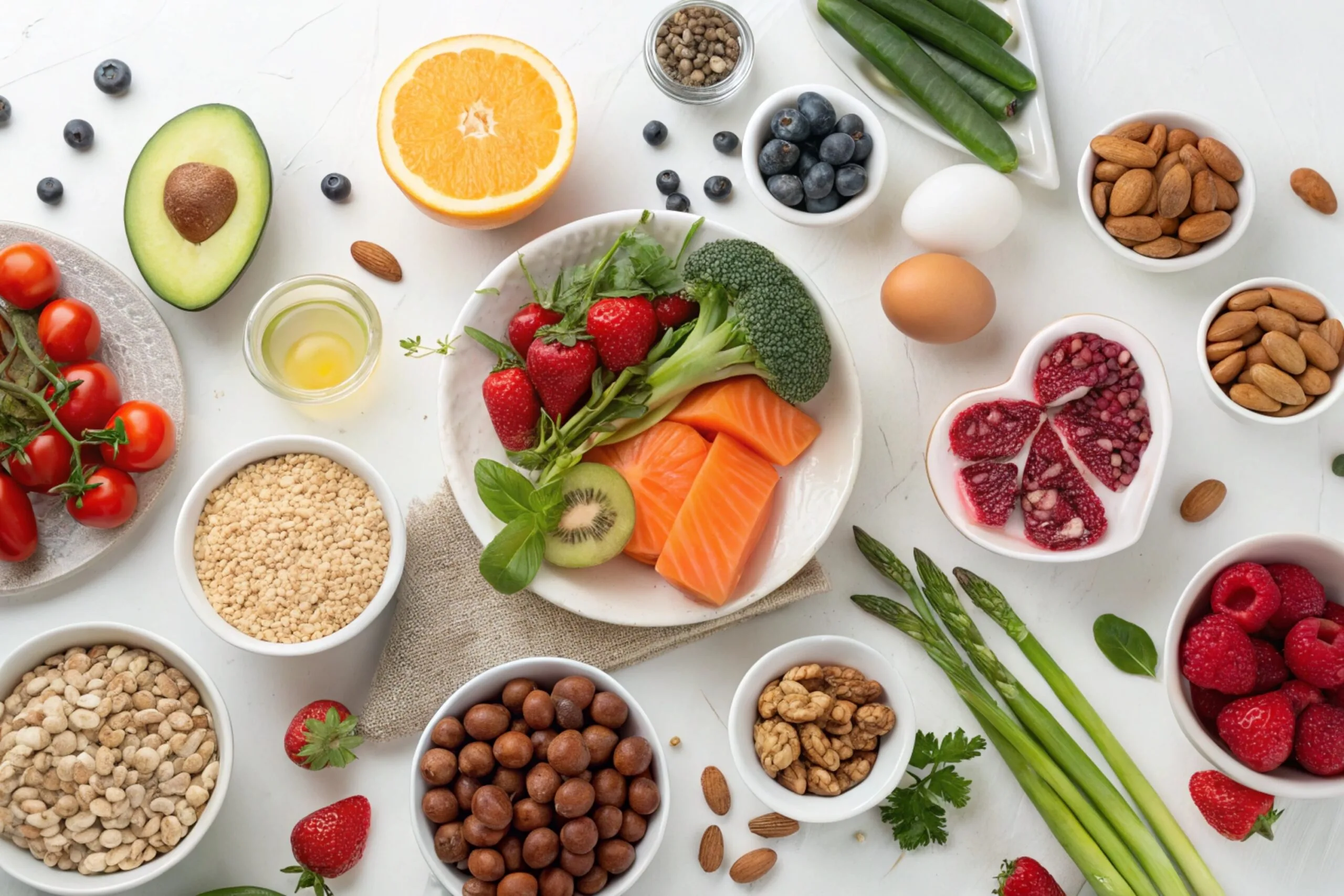
The good news: Many of the foods that make you feel full are probably already in your kitchen. A few simple changes to the way you build meals and snacks can help you stay satisfied on fewer calories, making it easier to support your health and weight-loss goals. Here’s how to build meals and snacks that help you feel full longer, plus 60+ foods to mix and match.
3 ways to boost satiety and feel full longer
When it comes to feeling satisfied after a meal, what you eat matters just as much as how much you eat. Research suggests that certain foods and eating patterns can help curb hunger, reduce cravings, and make it easier to eat fewer calories without feeling deprived. Here are three science-backed ways to boost satiety and stay fuller for longer.
- Include a protein source at each meal
- Eat more low-caloric-density foods throughout the day
- Add a high-fiber food to each meal
Tip #1: Prioritize protein
Macronutrients—protein, carbohydrates, and fat—are the nutrients that provide calories in our diet.
Of the three, protein is generally considered the most satiating. That’s why chicken will likely keep you fuller longer than a bowl of cornflakes or a tablespoon of olive oil, even when the calorie count is similar.
Here’s our recommendation: Include a protein source at every meal.
Protein-rich foods that make you feel full
Animal protein
- Fish and seafood, like salmon, trout, cod, oysters, and shrimp
- Poultry, like turkey, chicken, and duck
- Meat, like beef, lamb, goat, pork, and veal
- Eggs and egg whites
Plant-based protein
- Tofu
- Tempeh
- Beans, like black beans, kidney beans, and soybeans
- Peas, like chickpeas and split peas
- Lentils
Other sources of protein
- Dairy products, like milk, cheese, and yogurt (especially low-fat Greek yogurt)
- Nuts and nut butters, like peanut, almond, and cashew
- Seeds, like chia, flax, hemp, and sunflower
- Grains, like quinoa, oats, millet, and rye
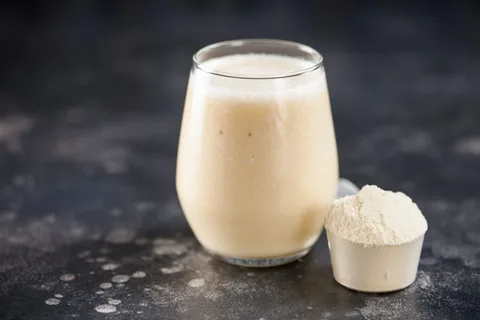
- Protein powders
Tip #2: Eat more low-caloric-density foods
Many studies show that the weight and volume of food—not just the calorie count—play a major role in how full you feel. This concept is known as caloric density.
The more water a food contains, the lower its caloric density tends to be. For example, grapes have a lower caloric density than raisins.
Here’s our recommendation: Eat more low-caloric-density foods throughout the day.
Low-caloric-density foods that make you feel full
Foods like fruits, vegetables, and broth-based soups provide volume and satisfaction for relatively few calories, helping you stay fuller for longer.
Non-starchy vegetables
- Lettuce
- Spinach
- Kale
- Arugula
- Broccoli
- Cauliflower
- Cabbage
- Zucchini
- Cucumbers
- Bell peppers
- Green beans
- Mushrooms
Fruits
- Strawberries
- Blueberries
- Raspberries
- Blackberries
- Apples
- Pears
- Oranges
- Grapefruit
- Melon
- Peaches
Broth-based soups
- Chicken vegetable soup
- Minestrone soup
- Vegetable soup
- Miso soup
- Turkey vegetable soup
High-water foods
- Watermelon
- Cantaloupe
- Celery
- Tomatoes
- Cucumbers
- Lettuce
Other low-caloric-density foods
- Air-popped popcorn
- Oatmeal made with water
- Cooked potatoes
- Plain Greek yogurt
- Cottage cheese
Tip #3: Fill up on fiber
Fiber gets plenty of attention for supporting digestive health, but it also plays a major role in satiety.
Why?
- High-fiber foods take longer for your body to digest.
- Fiber helps support steadier blood sugar levels, avoiding the sharp rises and falls that can leave you feeling hungry soon after eating.
Here’s our recommendation: Add a high-fiber food to each meal.
High-fiber foods that make you feel full
Vegetables
- Spinach
- Kale
- Artichokes
- Brussels sprouts
- Cauliflower
- Zucchini
- Broccoli
Starchy vegetables
- Sweet potato
- Squash
- Corn
- Parsnips
- Plantains
- Peas
- Beans
- Lentils
Whole grains
- Quinoa
- Brown rice
- Oatmeal
- Millet
- Rye
- Spelt
- Buckwheat
Whole-grain products
- Whole-grain pita
- Whole-grain bread
- Whole-grain tortilla
- Whole-grain English muffins
- Whole-grain pasta
Nuts and seeds
- Almonds
- Cashews
- Pistachios
- Sunflower seeds
- Chia seeds
- Flaxseeds
- Hemp seeds
Fruit
- Avocados
- Raspberries
- Blackberries
- Strawberries
- Blueberries
- Pears
- Mangos
Reviews from real Noom users
Desirea N. — Real Noom user
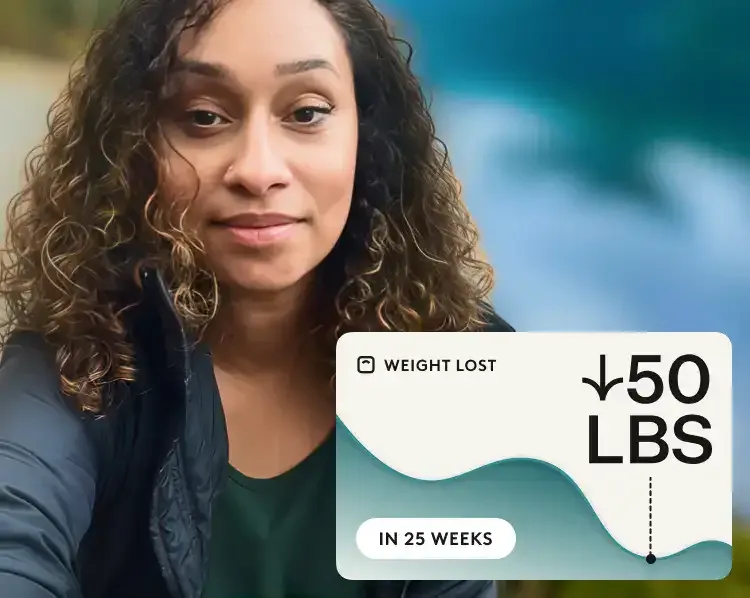
“My favorite parts of Noom are the care team and other Noomers. Sharing and getting help made me feel like I wasn’t doing it alone. That support made all the difference.”
Desirea N. — Real Noom user
Matthew M. — Real Noom user
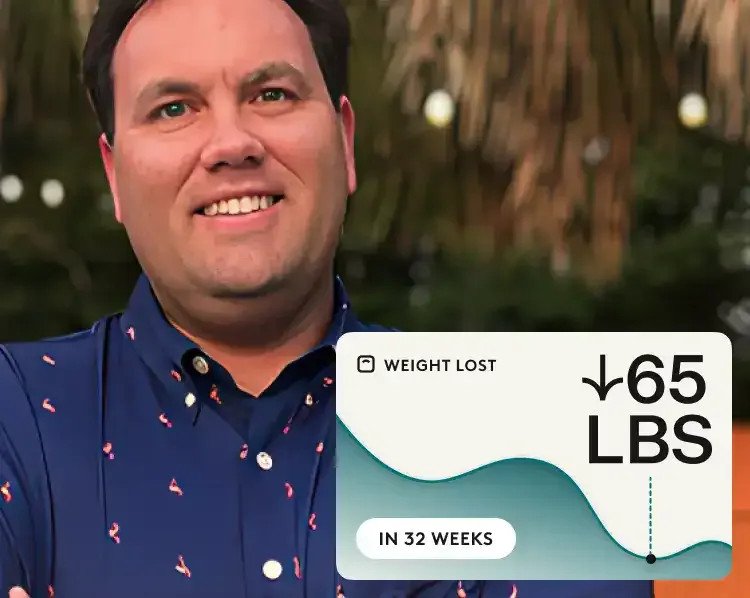
“Noom has taught me that every day is a new chance to make better, healthier choices. It's taught me how to stop overeating.’’
Matthew M. — Real Noom user
Lila M. — Real Noom user
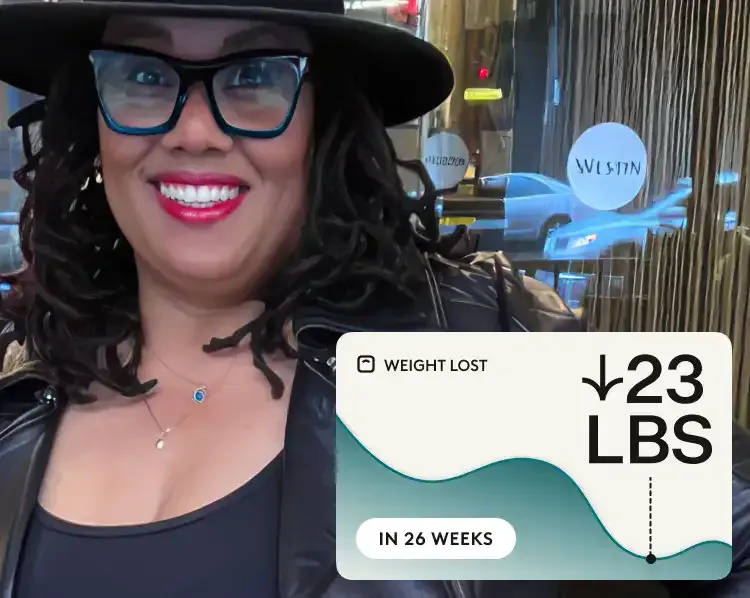
“Clinicians who understand how supportive medication can be is one of the best parts of Noom! I was convinced I wouldn’t have success but I’m down 11 pounds in two months.’’
Lila M. — Real Noom user
Steve M. — Real Noom user
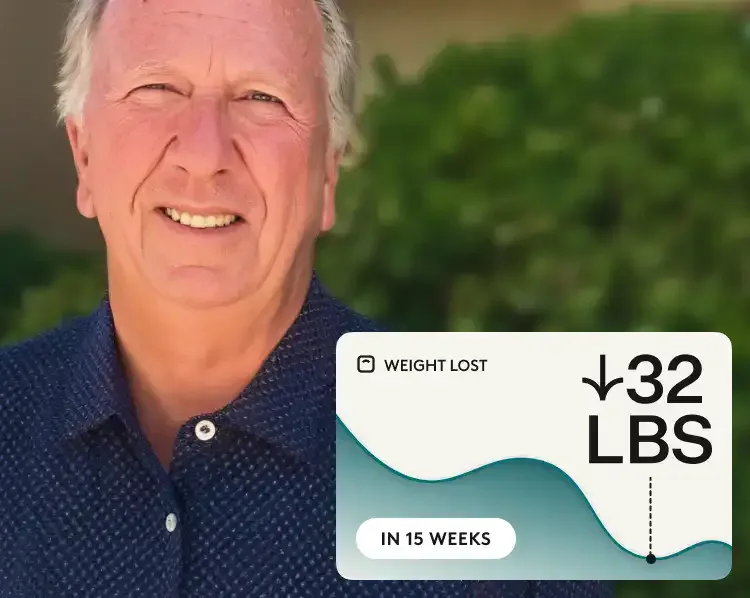
“Noom provided me with the medication which I could not get through Medicare. I have learned the tricks to better eating and life in general.”
Steve M. – Real Noom user
Daisy R. — Real Noom user
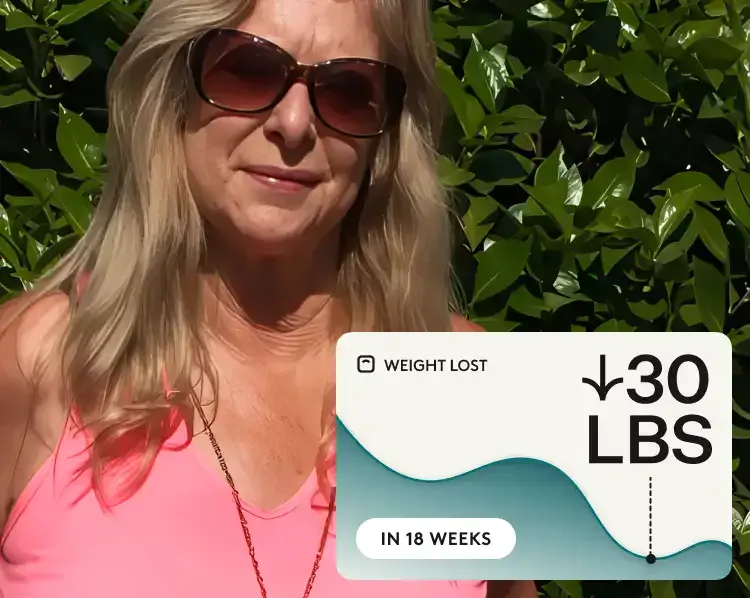
‘’Noom has changed my life and I’m so thankful, I feel great, have more energy and am no longer prediabetic.”
Daisy R. – Real Noom user
Sarah R. — Real Noom user
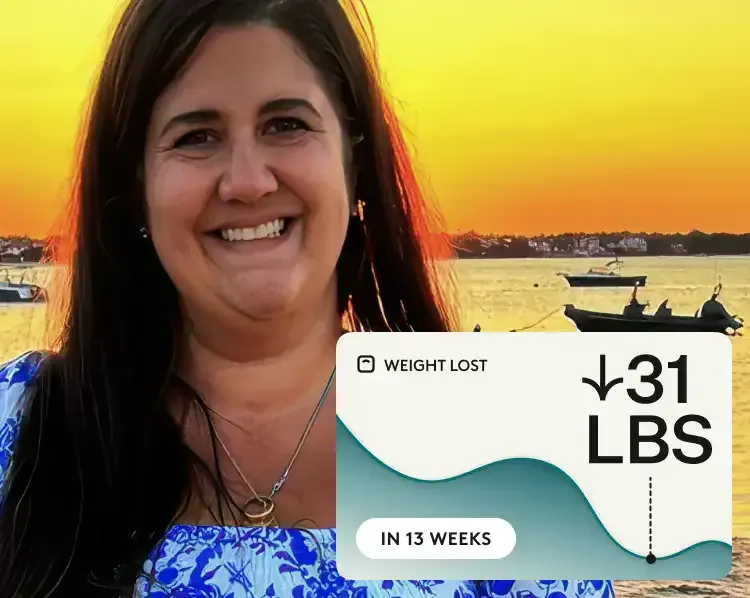
“All of the Noom providers that I’ve met with have been exceptional and prescribed medications that are appropriate for my situation and health.”
Sarah R. – Real Noom user
Madison S. — Real Noom user
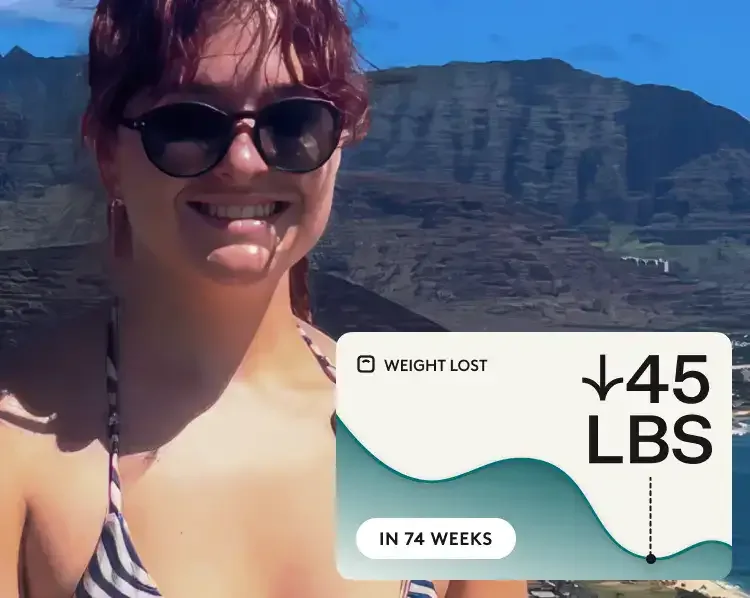
“Noom made the process so simple and now I feel full, free from diet obsession, and at ease in my body again.”
Madison S. – Real Noom user
Sonday K. — Real Noom user
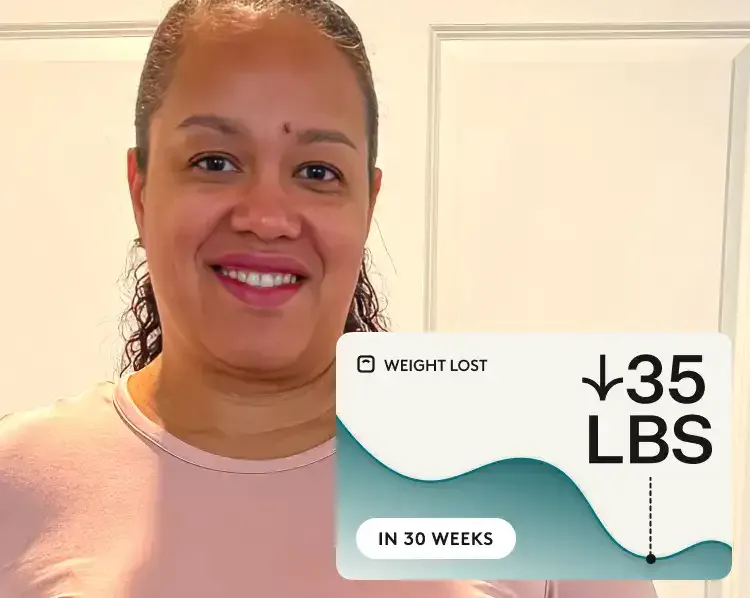
“My doctor recommended Noom after I was frustrated trying to lose weight. The lessons helped change my relationship with food. My body feels lighter & energized.”
Sonday K. – Real Noom user
Cam K. — Real Noom user
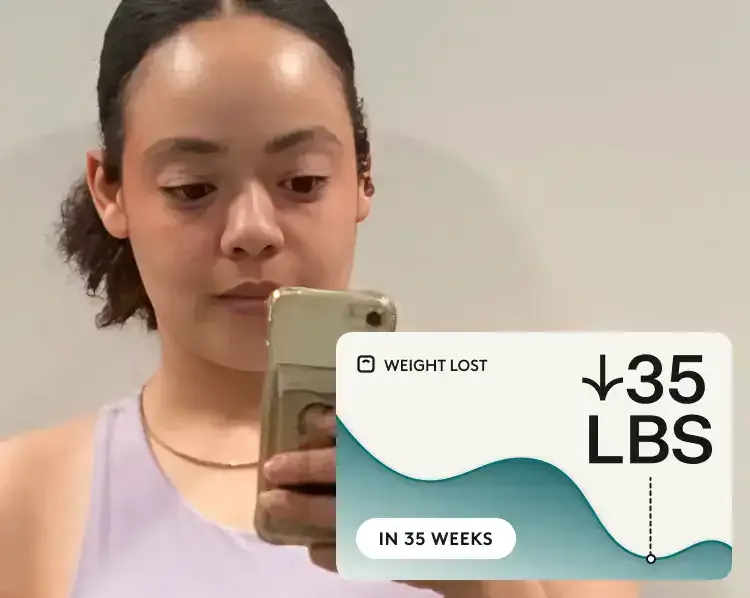
“I built healthy habits with coaching and lessons that make me confident I can maintain my weight loss long term.”
Cam K. – Real Noom user
Laura TR. — Real Noom user
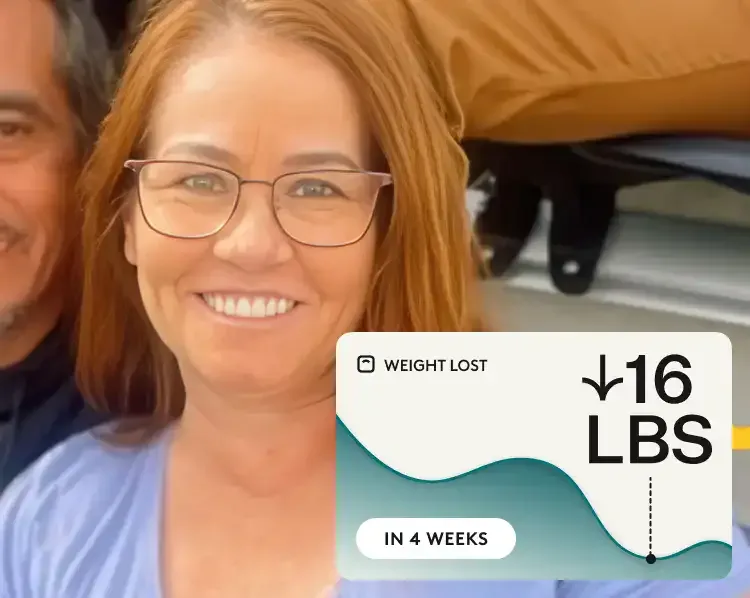
“With the right medication through Noom, hunger and sugar cravings finally quieted and I have the tools to break the cycle.”
Laura TR. – Real Noom user
Jessica S. — Real Noom user
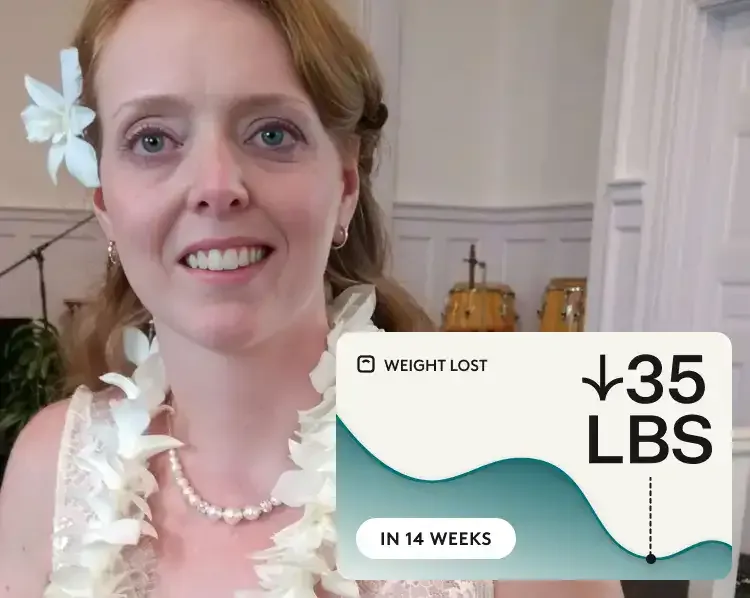
“Cravings and food noise are gone, I finally feel confident in the healthy habits I’ve built to last with Noom.”
Jessica S. – Real Noom user
The bottom line: Focus on what’s on your plate to feel full longer
If you’re looking for foods that make you feel full, focus on what’s on your plate. Protein, fiber, and low-caloric-density foods can all help boost satiety, making it easier to eat fewer calories without feeling deprived.
Small changes—like adding protein to breakfast, choosing fruits and vegetables more often, or including a high-fiber food at each meal—can add up to a big difference in how satisfied you feel throughout the day.If you want guidance on building a sustainable approach, having the right support can make a difference. Download the Noom app on iOS & Android for free tools and guidance to learn new behaviors, stay consistent, and make changes that last.
Editorial standards
At Noom, we’re committed to providing health information that’s grounded in reliable science and expert review. Our content is created with the support of qualified professionals and based on well-established research from trusted medical and scientific organizations. Learn more about the experts behind our content on our Health Expert Team page.