
What you’ll learn:
- Retatrutide is an injectable weight loss medication still in testing, so there are no official dosing guidelines available today.
- Different dose ranges are being tested in studies, with 12 mg weekly as the maximum dose tested so far.
- Retatrutide dosing in trials follows a step-up approach, with increases every 4 weeks, similar to GLP-1 medications, to help your body adjust to side effects.
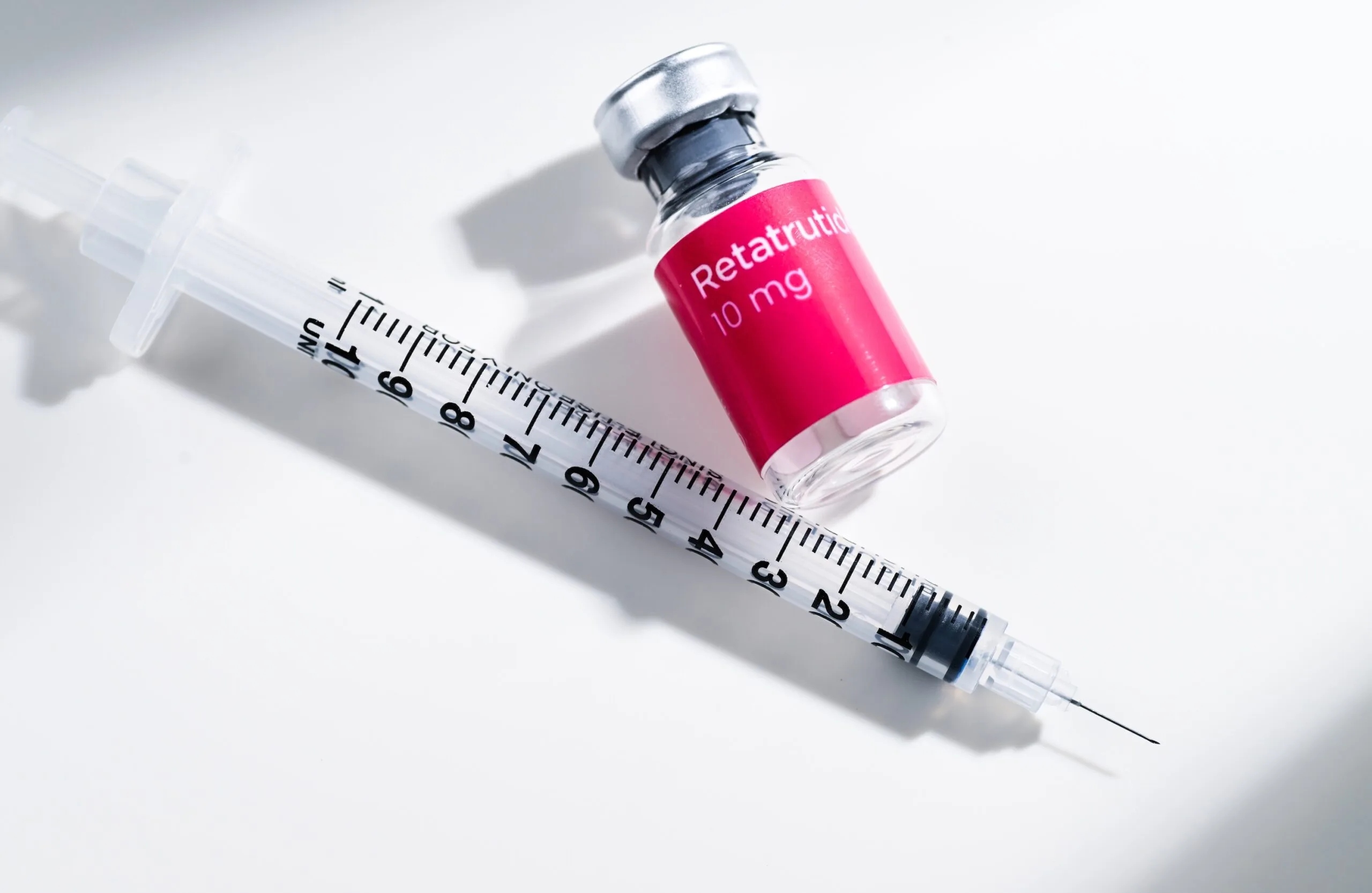
GLP-1 weight loss medications Wegovy® and Zepbound® are highly effective, but companies are always testing and looking to create the next best thing. Pharmaceutical companies Novo Nordisk, Eli Lilly, and others are continually creating and testing new medications that might work better, have fewer side effects, or last longer. One that is in late-stage trials but is already getting lots of headlines is retatrutide.
Retatrutide is a medication that’s in testing made by Eli Lilly, the same manufacturer behind Zepbound®. What sets retatrutide apart is its “triple agonist” approach, which means it acts on three hormone pathways in your body at the same time: GLP-1, GIP, and glucagon. The tirzepatide in Zepbound® mimics two hormones, GLP-1 and GIP.
Retatrutide has shown strong weight loss results in early research, with people losing an average of 28.7% of their body weight over roughly 68 weeks at the highest studied dose. That’s more than tirzepatide with an average of nearly 21%. Though this is comparing different studies and time frames.
Even though retatrutide is likely about a year from approval, many want to know: What will the experience of taking retatrutide be like? Will it be different from Zepbound, and how does dosing work?
Since it’s still being studied, there aren’t any official prescribing guidelines yet. Still, clinical trials are already exploring what doses work best for weight loss with the fewest side effects and how different doses are introduced and increased over time, which gives us helpful clues about how it may eventually be taken.

The Easy Way
to lose weight and get healthy.
See if you qualify
Let’s take a closer look at how retatrutide dosing has been tested in clinical trials and what those findings might mean for future use.
Learn more about how retatrutide works for weight loss and when it might be available.
Finding the right dose of retatrutide for weight loss
Since retatrutide is still being studied, there isn’t an official dosing guide just yet. But if you’re familiar with how injectable Wegovy® and Zepbound® are taken, the approach being tested here will be familiar.
Retatrutide is taken as a once-weekly injection and follows a step-up dosing approach, meaning it’s started low and slowly increases over time. This helps the body adjust and can make side effects easier to handle.
In a phase 2 clinical trial, participants were tested on a range of weekly maintenance doses, with different starting points depending on the group. From there, the dose was gradually increased every 4 weeks.
For the highest dose group (12 mg), this is what the titration schedule looked like:
- Weeks 1-4: 2 mg once weekly
- Weeks 5-8: 4 mg once weekly
- Weeks 9-12: 8 mg once weekly
- Weeks 13 onward: 12 mg once weekly
What phase 3 trials show so far: Testing long-term dosing of retatrutide
In more recent phase 3 trials, the doses used are a bit different, but the overall structure still follows that same gradual, step-by-step pattern. The maintenance doses used in these trials include:
- 4 mg once weekly
- 9 mg once weekly
- 12 mg once weekly
For those taking the maximum 12 mg dose, they follow a gradual increase that looks like this:
- 2 mg → 4 mg → 6 mg → 9 mg → 12 mg (highest dose studied)
Each increase happens every 4 weeks, similar to the phase 2 studies, so the full build-up takes about 16 weeks before staying at 12 mg for the rest of the study.
These phase 3 trials are designed to confirm how effective retatrutide is for long-term weight loss and how it may impact other areas tied to weight, like blood sugar, sleep quality in people with sleep apnea, and knee pain linked to osteoarthritis.
Access GLP-1 Weight Loss with Noom
Explore a wide range of prescription medications supported by Noom’s program.Microdose GLP-1rx
Noom GLP-1rx
Noom GLP-1rx Plus
Wegovy®
Ozempic®

Metformin
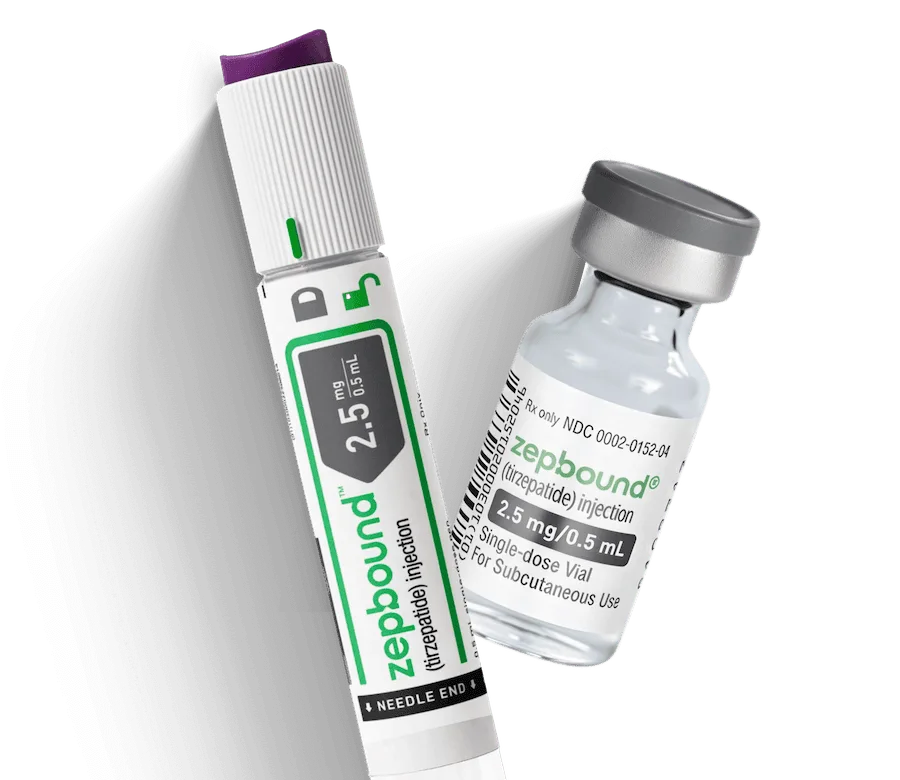
Zepbound®
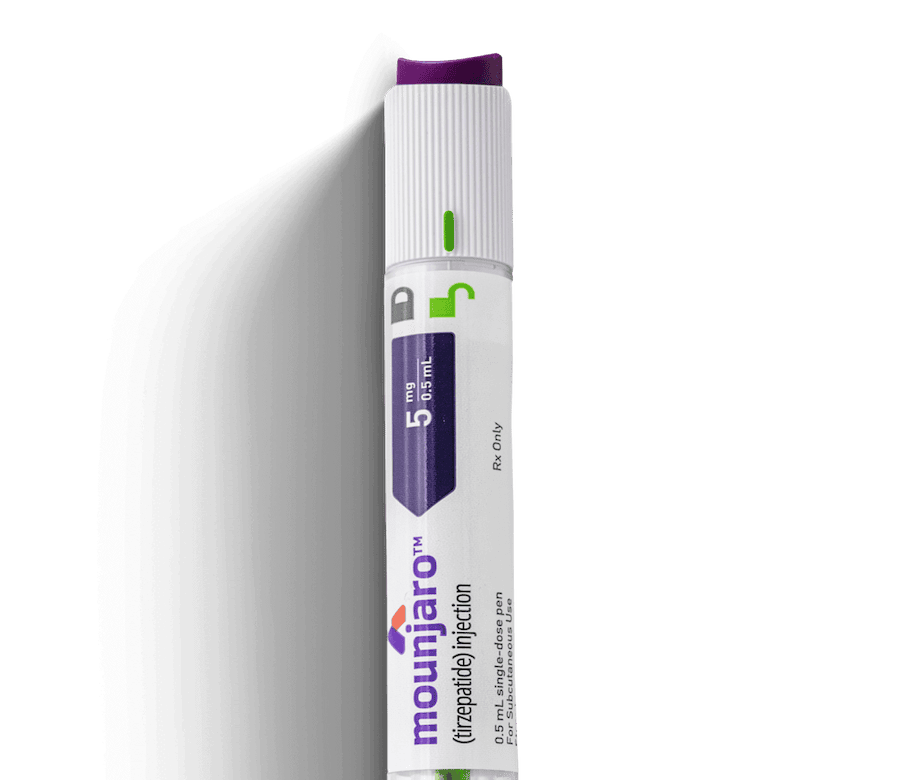
Mounjaro®
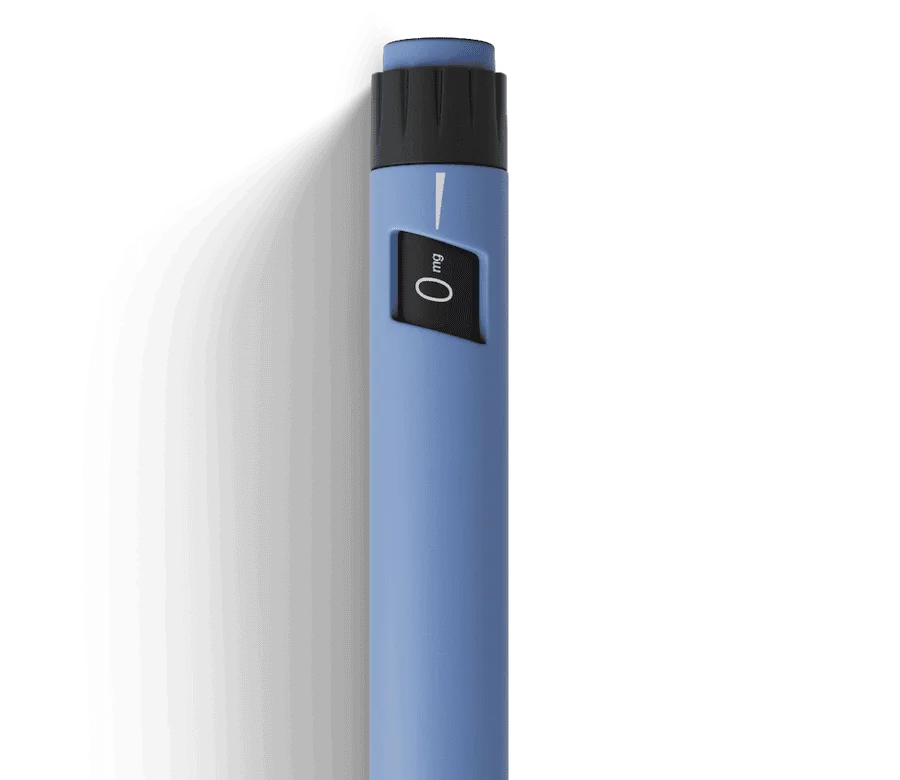
Liraglutide
Retatrutide: Dosage adjustments & personalization
Even in clinical trials, retatrutide dosing isn’t treated like a fixed plan that everyone follows exactly the same way. It’s designed to be flexible, with adjustments based on side effects and effectiveness as the dose increases.
Here’s how that shows up in studies:
- Dose reductions for side effects: If gastrointestinal symptoms like nausea don’t improve, the dose can be slowed or lowered to make things easier to tolerate.
- Changes based on weight loss: If a person is losing weight too quickly, the dose can be reduced.
- Temporary pauses for safety reasons: If something unexpected comes up, like illness, surgery, or hospitalization, the medication can be temporarily paused and then restarted later.
- Stopping treatment when needed: In certain situations, like pregnancy, pancreatitis, severe allergic reactions, or very low BMI (18.5 or below), treatment may be fully discontinued.
This is very similar to how other GLP-1 medications like semaglutide and tirzepatide are taken. The focus isn’t on reaching a specific number. It’s on finding a dose that fits you and adjusting as needed along the way.
Retatrutide: Weight loss potential
Since retatrutide isn’t available yet, the best way to understand its potential is through clinical trials. And so far, those results have been very promising.
One of the most helpful ways to look at the data is by dose. In a 48-week clinical trial, higher doses consistently led to greater average weight loss:
Weight loss by dose (48-week clinical trial)
| Weekly dose | Average weight loss at 48 weeks |
|---|---|
| 1 mg | 8.7% |
| 4 mg | 17.1% |
| 8 mg | 22.8% |
| 12 mg | 24.2% |
In this trial, at the highest dose (12 mg), people lost an average 24% of their starting weight on average.
More recent research looking at longer treatment periods shows that weight loss may continue over time, especially at higher doses:
Weight loss in later trials (68 weeks, Phase 3)
| Weekly dose | Average weight loss at 68 weeks |
|---|---|
| 9 mg | 26.4% |
| 12 mg | 28.7% |
These later results suggest that with continued treatment, some people may lose even more weight than what was seen in earlier trials.
Keep in mind, these are averages from controlled studies. If it gets approved in the future, weight loss results from this drug can still look different depending on lifestyle changes, starting point, and individual response. That said, these studies give a clear picture of what retatrutide is capable of.
Retatrutide dosage: How retatrutide might be taken
Since retatrutide hasn’t been approved yet, there is still no official prescribing information available today. Right now, studies don’t mention any set guidance on whether it needs to be taken with or without food, although injectable GLP-1s typically don’t have to be. There’s also no set recommendation on what time of day works best. These details are usually finalized later as the medication moves closer to approval.
Here’s a simple breakdown based on studies:
| Action | What the studies show |
|---|---|
| How it’s taken | Retatrutide is given as a once-weekly injection under the skin. |
| Dose timing | Doses are taken once every week, and progress is tracked, with dose adjustments available if needed. |
| Dose escalation period | The first 16 weeks are used to gradually increase the dose before reaching a steady maintenance dose. |
| Maintenance phase | After the step-up period, participants stay on their assigned dose for long-term treatment (up to 68-80 weeks depending on the trial). |
| Lifestyle support | Participants also receive guidance on balanced eating and regular activity (at least 150 minutes per week) to support results. |
Retatrutide: Side effects and safety considerations
Retatrutide is still being studied, but clinical trials already give a helpful picture of what side effects people might experience. Most side effects are mild to moderate and tend to show up early on, especially when the dose is increased.
Most common side effects of retatrutide
The most commonly reported side effects were related to digestion. In trials, people most often experienced nausea, diarrhea, constipation, and vomiting. Nausea was most common, especially at higher doses. These symptoms are linked to how the medication slows digestion, as seen with other GLP-1s.
One clinical trial gives a clearer picture of how often these side effects showed up at higher doses:
| Side effect | 9 mg | 12 mg |
|---|---|---|
| Nausea | 38.1% | 43.2% |
| Diarrhea | 34.7% | 33.1% |
| Constipation | 21.8% | 25% |
| Vomiting | 20.4% | 20.9% |
| Dysesthesia | 8.8% | 20.9% |
Dysesthesia refers to unusual or unpleasant skin sensations—things like tingling, burning, prickling, or a feeling that skin is overly sensitive to touch, sometimes described as a “sunburned” feeling without any visible cause. It’s not the same as a rash or injection-site reaction; it’s more of a nerve-like sensation that can show up anywhere on the body.

In the retatrutide trial data above, dysesthesia jumped from 8.8% at the 9 mg dose to 20.9% at the 12 mg dose—a pattern that mirrors what’s been seen with another GLP-1 medication at a higher dose. Wegovy® HD 7.2 mg, the recently approved higher-dose version of semaglutide, shows a similar dose-dependent increase, with dysesthesia reported in roughly 22% of people at that dose compared to about 6% at the standard 2.4 mg dose.
The exact reason isn’t fully understood, but the dose-dependent pattern across multiple medications suggests it may be related to how these drugs interact with nerve signaling at higher concentrations. For most people, it’s uncomfortable rather than dangerous, and symptoms often improve over time or after a dose adjustment.
Learn more: Dysesthesia and Wegovy® 7.2 mg: What to know about the skin-related side effect
More severe side effects and warnings with retatrutide
When it comes to retatrutide, dose plays a role in side effects. Clinical studies show that higher doses are linked to a greater overall risk of side effects, especially at 8 mg and 12 mg, even though serious complications themselves remain uncommon.
This pattern is similar to other GLP-1–based medications, where increasing the dose can improve results but also raises the chance of side effects.
That said, serious side effects with retatrutide were still rare in clinical trials. Here’s what early studies have shown:
- Pancreatitis: Reported in about 0.4%
- Gallbladder problems: Seen in about 1.1%, with no cases in the placebo group
- Heart rhythm changes: Reported more often with retatrutide (about 6% vs 3% with placebo)
- Liver enzyme increases: Rare (around 1%), with overall liver health markers staying stable
While these serious side effects were uncommon, they’re still important to keep in mind. This pattern is similar to what’s been seen with other medications in this class. There is also a class-related warning about thyroid tumors (common to all GLP-1s) based on animal studies, though no such cases were reported in retatrutide trials so far.
It’s a good reminder that if retatrutide becomes available, it would likely be used with regular medical check-ins with your provider to help keep things on track.
Overdose risks and safety notes
There isn’t official guidance yet on overdose or misuse since retatrutide isn’t approved. What trials do show is that higher doses are linked to stronger side effects, especially digestive ones. More research will help define long-term safety and how dosing should be managed over time.
Read more: Retatrutide side effects and safety
Frequently asked questions about retatrutide dosing
If you’re looking into retatrutide, you probably have some practical questions about how dosing works and what to expect. Here are clear answers based on what current studies have shown.
What are the available doses for retatrutide?
Right now, there isn’t one official dosing plan since retatrutide is still being studied.
- In phase 2 trials, people were tested at doses of 1 mg, 4 mg, 8 mg, and 12 mg, given weekly.
- In newer phase 3 trials, researchers used doses like 2 mg, 4 mg, 6 mg, 9 mg, and 12 mg, still taken once a week and increased slowly over time.
So while there’s no final answer yet, these studies give you a pretty clear idea of what doses to expect if retatrutide gets approved.
Who might be considered for treatment if retatrutide gets approved?
Based on trial enrollment criteria, candidates typically had a BMI over 30 or a BMI of 27+ with weight-related health conditions like high cholesterol or high blood pressure.
How do you get retatrutide?
Right now, you can’t get retatrutide through a prescription or pharmacy. It’s still in clinical trials, so it’s only available to people enrolled in research studies.
What side effects were most common in studies, and how can dosing pace help?
The most common side effects were nausea, diarrhea, constipation, dysesthesia, and vomiting, and they were more likely at higher doses.
One side effect that stood out more at higher doses was dysesthesia or changes in skin sensation, which were reported much more often at 9 mg and 12 mg.
Side effects were most likely to show up when starting the medication or increasing the dose, which is why the step-up dosing schedule matters.
Read more: Retatrutide: Side effects and safety
Reviews from real Noom users
Desirea N. — Real Noom user

“My favorite parts of Noom are the care team and other Noomers. Sharing and getting help made me feel like I wasn’t doing it alone. That support made all the difference.”
Desirea N. — Real Noom user
Matthew M. — Real Noom user

“Noom has taught me that every day is a new chance to make better, healthier choices. It's taught me how to stop overeating.’’
Matthew M. — Real Noom user
Lila M. — Real Noom user

“Clinicians who understand how supportive medication can be is one of the best parts of Noom! I was convinced I wouldn’t have success but I’m down 11 pounds in two months.’’
Lila M. — Real Noom user
Steve M. — Real Noom user

“Noom provided me with the medication which I could not get through Medicare. I have learned the tricks to better eating and life in general.”
Steve M. – Real Noom user
Daisy R. — Real Noom user
‘’Noom has changed my life and I’m so thankful, I feel great, have more energy and am no longer prediabetic.”
Daisy R. – Real Noom user
Sarah R. — Real Noom user
“All of the Noom providers that I’ve met with have been exceptional and prescribed medications that are appropriate for my situation and health.”
Sarah R. – Real Noom user
Madison S. — Real Noom user
“Noom made the process so simple and now I feel full, free from diet obsession, and at ease in my body again.”
Madison S. – Real Noom user
Sonday K. — Real Noom user
“My doctor recommended Noom after I was frustrated trying to lose weight. The lessons helped change my relationship with food. My body feels lighter & energized.”
Sonday K. – Real Noom user
Cam K. — Real Noom user
“I built healthy habits with coaching and lessons that make me confident I can maintain my weight loss long term.”
Cam K. – Real Noom user
Laura TR. — Real Noom user

“With the right medication through Noom, hunger and sugar cravings finally quieted and I have the tools to break the cycle.”
Laura TR. – Real Noom user
Jessica S. — Real Noom user

“Cravings and food noise are gone, I finally feel confident in the healthy habits I’ve built to last with Noom.”
Jessica S. – Real Noom user
The bottom line: Retatrutide dosage isn’t finalized yet, but studies give an idea of what to expect
Retatrutide dosing may feel familiar if you’ve looked into other weight loss medications. It follows a once-weekly injection schedule with a gradual step-up approach, starting low and increasing every few weeks to help your body adjust. Clinical trials have tested doses up to 12 mg, with structured increases over about 16 weeks before reaching a steady maintenance dose.
At the same time, retatrutide is still being studied, so there isn’t a finalized dosing guide yet. The exact dose ranges, how adjustments will work in everyday use, and long-term recommendations are still being studied. We’ll have a clearer picture once these trials are completed, but for now, what we have comes from controlled study settings rather than real-world use.
If you want to explore what weight loss options are available today, you can see if you qualify for Noom Med. If you do, you’ll be paired with a clinician who looks at your health history and goals to help guide you toward a treatment plan that fits you, including approved medications when appropriate.
Note: Retatrutide is still in clinical trials and not FDA-approved to treat obesity or for weight loss.
Editorial standards
At Noom, we’re committed to providing health information that’s grounded in reliable science and expert review. Our content is created with the support of qualified professionals and based on well-established research from trusted medical and scientific organizations. Learn more about the experts behind our content on our Health Expert Team page.